




How to Choose the Right Healthcare Blankets for Your Medical Facility
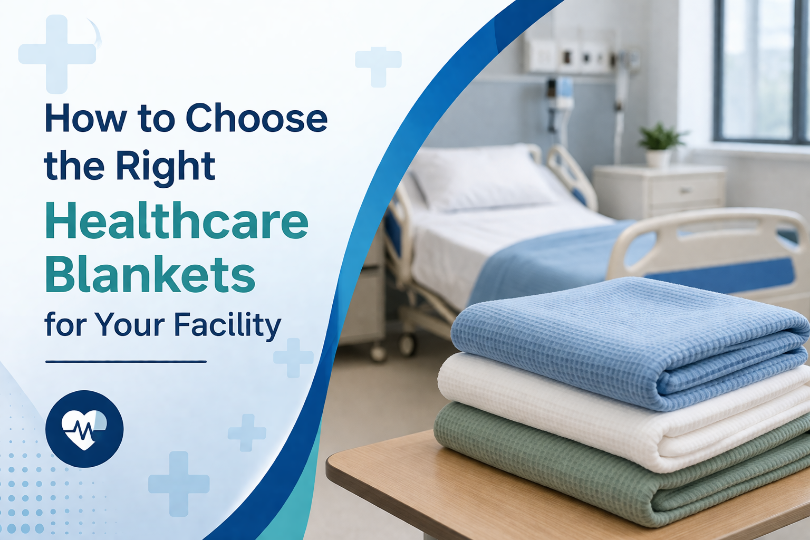
Selecting the appropriate healthcare blankets for your medical facility is more than a purchasing decision—it's an investment in patient comfort, infection control, and operational efficiency. Whether you're outfitting a hospital, nursing home, clinic, or emergency care center, the right blankets can significantly impact both patient satisfaction and your facility's bottom line. This comprehensive guide will walk you through everything you need to know to make an informed decision when choosing healthcare blankets.
What are Hospital Blankets are made of?
The material composition of healthcare blankets directly affects durability, comfort, and maintenance requirements. Cotton-polyester blends offer the best balance of softness and longevity, typically consisting of 50-70% cotton for comfort and 30-50% polyester for durability. These blends withstand repeated industrial washing at high temperatures while maintaining their texture and appearance.
100% cotton blankets provide maximum breathability and are ideal for patients with sensitive skin or allergies, though they require more careful laundering to prevent shrinkage. Thermal weave cotton blankets excel at temperature regulation, making them perfect for post-operative recovery rooms where maintaining proper body temperature is critical.
Polyester fleece blankets have gained popularity in healthcare settings due to their exceptional warmth-to-weight ratio and quick-drying properties. They're particularly useful in emergency departments and ambulances where rapid turnover is essential. However, verify that any fleece blankets you purchase are flame-retardant and meet healthcare safety standards.
Determining the Right Size and Weight
Healthcare blankets come in various dimensions, and selecting the appropriate size depends on your specific application. Standard hospital bed blankets typically measure 66" x 90", providing adequate coverage for most adult patients on standard hospital beds. For pediatric units, smaller 40" x 60" blankets are more suitable and less overwhelming for young patients.
Weight is measured in GSM (grams per square meter) or ounces. Lightweight snag-free thermal blankets (200-250 GSM) work well in warmer climates or for layering, while medium-weight options (300-400 GSM) serve as versatile all-purpose blankets. Heavy blankets (450+ GSM) provide maximum warmth for cold environments or patients requiring extra thermal protection.
Prioritizing Infection Control and Laundering
Infection control is paramount in healthcare settings, making launderability a critical selection factor. Choose blankets rated for industrial washing at temperatures of 160°F (71°C) or higher—the standard for effective pathogen elimination. Verify that blankets can withstand chlorine bleach without deteriorating, as many facilities use bleach in their sanitization protocols.
Look for blankets with colorfast dyes that won't fade or bleed during repeated high-temperature washing. This maintains a professional appearance and prevents cross-contamination between different colored linens. Additionally, select white hospital blankets with minimal linting properties—excess lint can clog laundry equipment and create cleanliness issues in patient rooms.
Quick-drying blankets reduce energy costs and enable faster turnover in your linen inventory. Materials that dry efficiently allow you to maintain a smaller total blanket inventory while ensuring consistent availability.
Evaluating Cost-Effectiveness and Bulk Purchasing
When purchasing healthcare blankets, the lowest price per unit doesn't always translate to the best value. Calculate the total cost of ownership by considering durability and expected lifespan. A slightly more expensive blanket that lasts 30% longer represents better value than cheaper alternatives that require frequent replacement.
Wholesale purchasing offers significant savings for healthcare facilities. Most suppliers provide tiered pricing, with costs decreasing as order quantities increase. Establish your facility's usage patterns—track how many blankets you process weekly—to determine optimal order quantities that balance storage space with cost savings.
Consider partnering with suppliers who offer flexible ordering options. Some vendors provide consignment programs where they maintain inventory on-site, reducing your storage burden while ensuring constant availability. Others offer subscription services with scheduled deliveries to prevent stockouts.
Considering Patient Comfort and Satisfaction
While durability and cost matter, never underestimate the importance of patient comfort. Soft, non-scratchy blankets contribute to positive patient experiences and can even impact recovery outcomes. Thermal regulation properties help patients maintain comfortable body temperatures without excessive layering.
Hypoallergenic blankets are essential for facilities serving patients with chemical sensitivities or skin conditions. These blankets are manufactured without harsh chemicals, dyes, or finishing agents that could trigger allergic reactions. Additionally, consider offering blankets in calming colors—blues and greens promote relaxation, while warmer tones can make rooms feel more inviting.
Making Your Final Selection
Choosing healthcare blankets requires balancing multiple factors: material durability, infection control capabilities, patient comfort, and cost-effectiveness. Start by assessing your facility's specific needs—climate, patient population, laundry capabilities, and budget constraints. Request samples from multiple suppliers to evaluate quality firsthand before committing to large orders.
By following this guide and carefully considering each factor, you'll select hospital style blankets that enhance patient care while optimizing operational efficiency. Remember that the right blanket investment pays dividends through improved patient satisfaction, reduced replacement costs, and streamlined laundry operations.