




The Complete Guide to Hospital Gowns: Types, Materials, Uses & Wholesale Buying
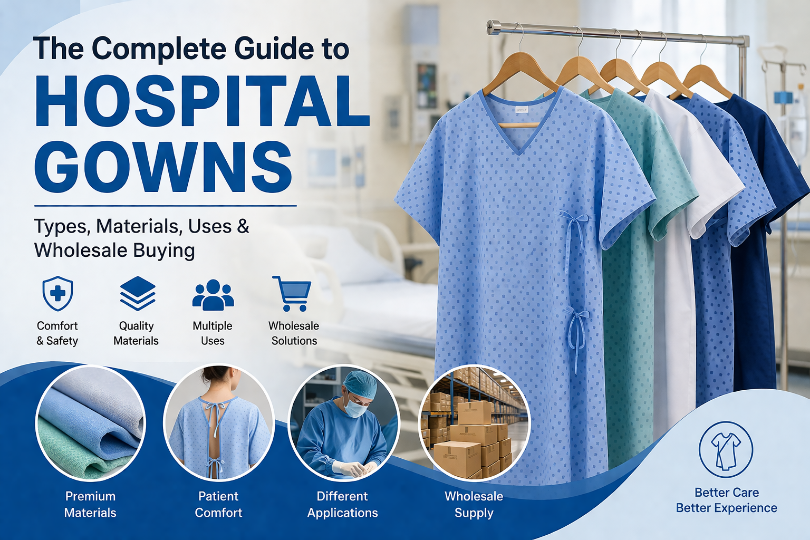
Many patients often feel uncomfortable wearing hospital gowns at first. Whether used for routine checkups, surgeries, or specialized treatments, they are designed to ensure comfort, hygiene, and accessibility. For hospitals, clinics, and bulk buyers, understanding different types of medical gowns for patients and choosing the right quality hospital gowns can significantly improve both patient experience and operational efficiency.
Why Do Hospital Gowns Open in the Back?
One of the most common questions patients ask is, why do hospital gowns open in the back? The answer lies in medical practicality. The open-back design allows healthcare professionals to easily examine patients without requiring them to completely remove their clothing. This is especially important during emergencies, routine checkups, and procedures where quick access is necessary.
Additionally, this design helps maintain hygiene standards by minimizing unnecessary movement and contact. For patients with limited mobility or those recovering from surgery, it provides convenience and reduces discomfort. While it may feel unfamiliar at first, the design is focused on improving both efficiency and patient safety in clinical environments.
What Are Hospital Gowns Made Of?
Understanding what hospital gowns are made of is crucial when selecting the right option for different healthcare needs. Hospital gowns are typically manufactured using materials that balance comfort, durability, and hygiene.
Common Materials Used in Hospital Gowns
Cotton gowns are soft, breathable, and comfortable, making them ideal for long-term patient use. They are commonly used in general wards where comfort is a priority.
Polyester Blends
Polyester or cotton-poly blends are widely used in wholesale medical gowns due to their durability and cost-effectiveness. These gowns can withstand frequent washing and are suitable for high-usage environments.
Disposable Non-Woven Fabrics
These materials are lightweight and designed for single use, making them perfect for surgical and isolation settings where infection control is critical.
Choosing the right material ensures that quality hospital gowns provide both comfort and long-lasting performance.
Types of Medical Gowns for Patients
There are several types of medical gowns for patients, each designed for specific medical situations and environments.
Standard Patient Gowns
These are the most commonly used gowns in hospitals. They feature an open-back design and are suitable for general examinations and inpatient care.
Surgical Gowns
Surgical gowns are sterile and designed to protect both patients and medical staff during procedures. They are made from materials that resist fluid penetration and contamination.
Isolation Gowns
Used in infectious environments, isolation gowns help prevent the spread of bacteria and viruses. They are essential in intensive care units and during outbreaks.
Pediatric Patient Gowns
Designed specifically for children, these gowns focus on comfort and ease of wear, helping reduce anxiety for younger patients.
What Are Psych Ward Gowns?
Psych ward gowns are specially designed for patients in psychiatric or behavioral health facilities. Unlike standard gowns, they are created with safety as the top priority.
These gowns typically avoid features like long ties or detachable parts that could pose risks. They are made from tear-resistant materials and designed to maintain patient dignity while ensuring safety. Psych ward gowns are an important part of creating a secure environment for both patients and healthcare providers.
Why Choose Wholesale Medical Gowns?
For hospitals and healthcare businesses, purchasing disposable medical gowns offers several advantages. Buying in bulk reduces costs, ensures consistent product quality, and simplifies inventory management.
Healthcare facilities often deal with high patient volumes, making it essential to maintain a steady supply of gowns. Wholesale purchasing helps meet this demand efficiently while also reducing the frequency of reordering. It is a practical solution for organizations looking to balance quality and cost.
How to Choose Quality Hospital Gowns
Selecting the right quality hospital gowns involves more than just choosing a fabric. It requires careful consideration of several factors that impact performance and patient comfort.
Key Factors to Consider
Fabric Quality
The material should be soft enough for comfort while being durable enough to withstand repeated use or disposal.
Stitching and Durability
Strong stitching ensures that the gown does not tear easily, especially in high-use environments.
Ease of Maintenance
Reusable gowns should be easy to wash and maintain without losing their quality over time.
Comfort and Fit
Gowns should provide a comfortable fit for patients of different sizes, especially for long-term wear.
Safety Features
For specialized gowns such as psych ward gowns, safety-focused design elements are essential.
Investing in high-quality gowns not only improves patient satisfaction but also reduces long-term costs by minimizing replacements.
Conclusion
Hospital gowns play a vital role in healthcare settings, supporting both patient care and medical efficiency. From understanding why hospital gowns open in the back to selecting the right materials and types, every detail contributes to better outcomes.
Whether you are choosing medical gowns for patients, sourcing psych ward gowns, or investing in wholesale medical gowns, focusing on comfort, safety, and durability will help you make the right decision. High-quality gowns are not just a necessity—they are a key part of delivering better healthcare experiences.